
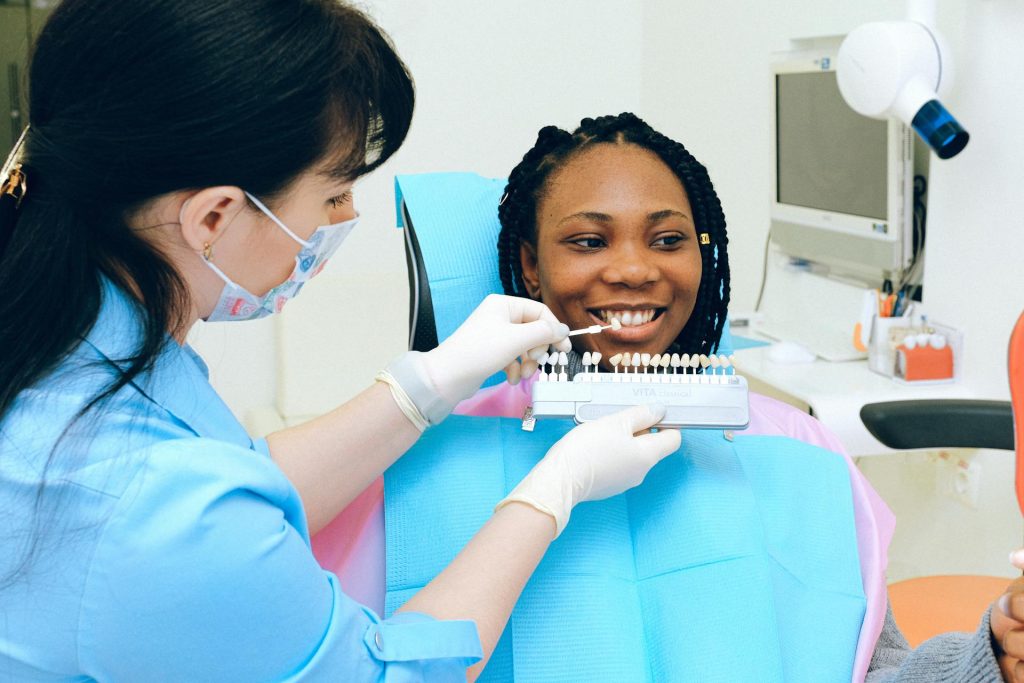
Prosthodontics is a specialized field of dentistry focused on the restoration, replacement, and long-term maintenance of teeth and oral structures. It plays a central role in comprehensive dental care, especially for patients with missing teeth, worn dentition, complex bite issues, or those requiring advanced aesthetic and functional rehabilitation.
This page provides a clear overview of prosthodontic dental care services and related treatments, explaining the clinical requirements, step-by-step procedures, and how prosthodontics integrates with other dental specialties.
What Is Prosthodontics?
Prosthodontics is a dental specialty dedicated to diagnosing, planning, and restoring oral function and aesthetics through custom-made dental prostheses. These may include crowns, bridges, dentures, implant-supported restorations, and full-mouth rehabilitations.
Prosthodontists receive advanced postgraduate training focused on complex restorative cases, occlusion (bite), dental materials, and aesthetic dentistry. Their goal is to restore proper chewing function, speech, facial balance, and long-term oral health.
Conditions Treated Through Prosthodontic Care
Prosthodontic treatment is recommended for patients facing a wide range of dental challenges, including:
- Missing one or more teeth
- Extensive tooth wear or erosion
- Failed previous dental work
- Bite misalignment or jaw discomfort
- Advanced tooth damage from trauma or decay
- Aesthetic concerns affecting the smile and facial structure
By addressing both function and appearance, prosthodontics offers comprehensive solutions for complex dental needs.
Initial Evaluation and Diagnostic Requirements
Every prosthodontic treatment begins with a thorough clinical evaluation. This step is critical to ensure accuracy, predictability, and long-term success.
The diagnostic phase typically includes:
- Comprehensive oral examination
- Digital X-rays and 3D imaging when required
- Evaluation of bite alignment and jaw function
- Assessment of gum health and bone structure
- Review of medical and dental history
Based on this information, a personalized treatment plan is developed to address the patient’s functional, aesthetic, and health-related goals.
Prosthodontic Treatment Planning Process
Treatment planning in prosthodontics is a structured and highly detailed process. It often involves digital planning tools and diagnostic models to visualize outcomes before treatment begins.
Key planning steps include:
- Determining the type of restoration required
- Selecting appropriate materials for strength and aesthetics
- Designing the bite to ensure long-term comfort
- Coordinating with other dental specialties when necessary
This multidisciplinary approach ensures that prosthodontic restorations integrate seamlessly with the patient’s overall oral health.
Crowns and Fixed Dental Restorations
Dental crowns are a core component of prosthodontic care. They are used to restore strength, shape, and appearance to damaged or weakened teeth.
The procedure typically involves:
- Tooth preparation and shaping
- Digital or physical impressions
- Temporary crown placement
- Final crown fabrication and cementation
Modern crowns are made from high-quality ceramic or zirconia materials, offering durability and natural aesthetics.
Bridges and Tooth Replacement Solutions
Dental bridges replace one or more missing teeth by anchoring to adjacent teeth or dental implants. Prosthodontists design bridges to restore proper chewing function while maintaining balance within the bite.
Requirements for bridge placement include:
- Stable supporting teeth or implants
- Healthy gums and bone structure
- Accurate bite alignment
Custom-designed bridges help prevent shifting of surrounding teeth and preserve facial structure.
Implant-Supported Prosthodontics
Dental implants are frequently combined with prosthodontic treatment to provide permanent tooth replacement solutions. Prosthodontists play a key role in planning and restoring implant-supported crowns, bridges, and full-arch restorations.
The process generally includes:
- Implant planning and coordination
- Healing and osseointegration period
- Custom prosthetic design
- Final restoration placement
Implant-supported prosthetics offer superior stability, function, and longevity compared to removable alternatives.
Full-Mouth Rehabilitation
Full-mouth rehabilitation is an advanced prosthodontic service designed for patients with extensive dental damage, missing teeth, or bite collapse.
This treatment involves:
- Comprehensive diagnosis and planning
- Phased restorative procedures
- Bite reconstruction and stabilization
- Long-term maintenance planning
Each case is customized to restore comfort, function, and aesthetics while protecting remaining oral structures.
Integration With Other Dental Services
Prosthodontics often works in coordination with other dental disciplines to achieve optimal outcomes. Related services may include:
- Periodontics for gum health and bone support
- Oral surgery for extractions or implant placement
- Endodontics for root canal therapy
- Cosmetic dentistry for smile enhancement
This collaborative approach ensures that prosthodontic restorations are supported by a healthy oral foundation.
Post-Treatment Care and Maintenance Requirements
Long-term success in prosthodontic treatment depends on proper maintenance and follow-up care.
Patients are typically advised to:
- Maintain excellent oral hygiene
- Attend regular dental checkups
- Use protective appliances if recommended
- Address minor issues early to prevent complications
Routine maintenance helps extend the lifespan of restorations and protects overall oral health.
Who Is a Candidate for Prosthodontic Care?
Prosthodontic services are suitable for patients seeking long-term solutions for complex dental issues. Candidates often include individuals who:
- Have multiple missing or damaged teeth
- Require advanced restorative planning
- Desire improved function and aesthetics
- Have experienced failure of previous dental treatments
A professional evaluation is essential to determine the most appropriate treatment approach.
Final Thoughts
Prosthodontics plays a vital role in modern dental care by addressing complex restorative and functional needs with precision and expertise. Through detailed planning, advanced materials, and coordination with related dental services, prosthodontic treatment offers reliable, long-lasting solutions.
Patients who choose prosthodontic care benefit from improved comfort, confidence, and oral health, supported by a structured treatment process designed for predictable and durable results.